Best Lab Grown Diamonds UK: A Clear-Eyed Look at What’s Really Worth Your Money
A couple of years ago, if you’d asked me what I knew about lab grown diamonds, I probably would’ve shrugged and said, “They’re not real, are they?” Honestly, that’s how most people saw them. Fast forward to now, and I’m fielding questions from friends, readers, even relatives back home about where to find the Best Lab Grown Diamonds UK has to offer — and whether they’re actually a smart buy.
Well, you might not know this, but lab grown diamonds have quietly shifted from niche curiosity to mainstream jewellery staple. And the UK market, in particular, has embraced them with surprising enthusiasm. As someone who spends a lot of time researching consumer trends, sustainability claims, and what’s genuinely worth recommending, I decided to dig deeper.
What I found surprised me. Not just because lab diamonds are visually indistinguishable from mined ones — that part’s well documented — but because of how the entire industry around them has matured. There’s more transparency, better craftsmanship, and far fewer gimmicks than I expected.
So if you’re browsing engagement rings, planning an anniversary upgrade, or just curious about why lab diamonds are suddenly everywhere, pull up a chair. Let’s talk about what actually matters when choosing lab grown diamonds in the UK — minus the sales pitch.
What Are Lab Grown Diamonds, Really?
Let’s clear the air first, because there’s still a lot of confusion floating around. Lab grown diamonds are not imitations. They’re not cubic zirconia, moissanite, or “fake diamonds” in disguise.
They’re diamonds. Full stop.
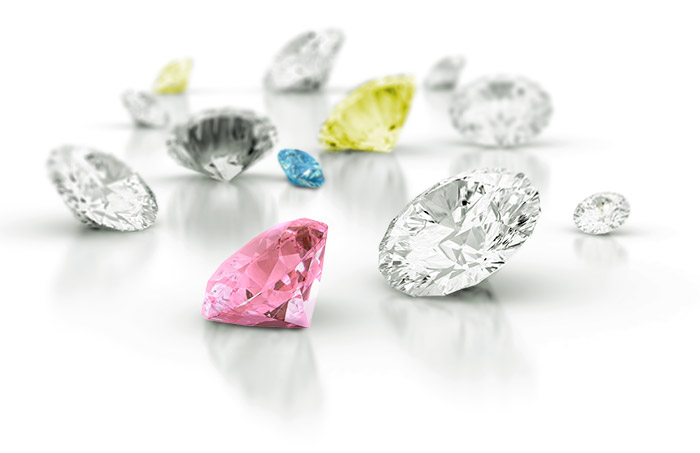
Chemically, physically, and optically, lab grown diamonds are identical to mined diamonds. The only difference is their origin. Instead of forming underground over billions of years, they’re created in controlled laboratory environments using advanced technology that replicates natural diamond growth.
There are two main methods: HPHT (High Pressure, High Temperature) and CVD (Chemical Vapour Deposition). You don’t need to memorise those terms, but it helps to know that reputable UK retailers will clearly state how their diamonds are produced. Transparency is a big deal here — and a good sign you’re dealing with professionals rather than hype merchants.
Why the UK Has Become a Hotspot for Lab Diamonds
The UK’s jewellery market has always leaned conservative. Heritage brands, old-school craftsmanship, and tradition matter here. That’s why it’s telling that lab diamonds have gained such traction.
Part of it comes down to values shifting. Younger buyers — and not just Gen Z — are more interested in ethical sourcing, sustainability, and value for money. The traditional diamond industry hasn’t always been able to answer those concerns convincingly.
Lab grown diamonds, on the other hand, offer a compelling alternative. No mining. Fewer environmental questions. Clear pricing structures. And in many cases, larger stones for the same budget.
From London’s Hatton Garden to online-first jewellers shipping across the UK, lab diamonds have moved out of the shadows. They’re no longer framed as “alternatives” but as first-choice options.
What Actually Defines the Best Lab Grown Diamonds UK Buyers Should Look For?
This is where things get interesting. Because “best” doesn’t just mean sparkliest or biggest. If anything, that’s where people often go wrong.
Here’s what genuinely matters.
Certification Isn’t Optional
Any lab grown diamond worth considering should come with certification from a recognised gemological institute, such as IGI or GIA. This isn’t negotiable. Certification tells you the diamond’s cut, clarity, colour, and carat weight — the same 4Cs used for mined diamonds.
If a retailer avoids this topic or offers vague assurances instead of documentation, that’s your cue to walk away.
Cut Matters More Than You Think
I’ve seen stunning lab diamonds ruined by mediocre cuts. The cut determines how light travels through the stone, which directly affects brilliance and sparkle.
You can compromise slightly on colour or clarity, but a poor cut will always look dull, no matter how big the diamond is.
Ethical Claims Should Be Specific
“Ethical” has become a buzzword, and not all claims are created equal. Reputable UK sellers will explain their production methods, energy usage, and supply chain choices clearly — not just slap a green label on their website.
This is where thoughtful buyers separate real value from marketing fluff.
Pricing: Why Lab Diamonds Feel Almost Too Good to Be True
Let’s talk money, because that’s often what brings people to lab diamonds in the first place.
On average, lab grown diamonds cost 30–50% less than mined diamonds of the same quality. Sometimes even more. That’s not because they’re inferior — it’s because they don’t carry the same supply constraints or legacy pricing structures.
For UK buyers, this means you can prioritise cut and craftsmanship without blowing your budget. Or, if you’re upgrading an engagement ring, it opens the door to larger stones that might’ve been financially out of reach before.
Still, wildly cheap prices should raise eyebrows. Quality lab diamonds aren’t bargain-bin products. If a deal looks suspiciously low, it probably is.
Where UK Buyers Are Actually Finding Quality Lab Diamonds
Now, I won’t pretend there’s one single “best” retailer — that depends on what you value most. Some buyers want in-person consultations. Others prefer online customisation tools and transparent pricing.
That said, resources that break down reputable sellers, quality benchmarks, and buying considerations are invaluable. I recently came across this detailed guide on the Best Lab Grown Diamonds UK, and it does a solid job of cutting through the noise without overselling anything. It’s the kind of reference I’d point a friend toward before they start browsing seriously.
The key takeaway? Stick with retailers who specialise in lab diamonds rather than those who’ve added them as an afterthought. Expertise shows.
A Note on Maintenance and Longevity
One lingering myth I still hear is that lab diamonds don’t last as long or won’t hold up over time. That’s simply not true.
Lab diamonds have the same hardness as mined diamonds — a 10 on the Mohs scale. They’re just as resistant to scratching and everyday wear. Caring for them follows the same basic rules: gentle cleaning, professional checks, and common sense.
If you’re curious about keeping your stone looking its best, this practical piece on caring for lab created diamonds explains it well without overcomplicating things. No magic solutions, just sensible advice.
Emotional Value: The Part No One Talks About Enough
Here’s the part that surprised me most while researching this topic.
People often assume lab diamonds lack emotional weight. That they’re somehow less meaningful because they weren’t pulled from the earth. But when you talk to couples who’ve chosen them, the opposite often comes up.
They talk about intention. About choosing something aligned with their values. About starting a life together without compromising ethics or financial sense.
And honestly? That carries its own kind of romance.
Jewellery isn’t just about tradition. It’s about the story you attach to it. And lab diamonds, whether people admit it or not, are becoming part of a new story — one that feels very current.
The Resale Question (Yes, Let’s Address It)
No article on diamonds is complete without mentioning resale value. It’s a fair concern, especially in the UK market where people tend to think long-term.
Lab diamonds currently don’t retain resale value the same way mined diamonds do. That’s true. But here’s the nuance people often miss: most mined diamonds don’t appreciate either. Jewellery resale rarely works the way people imagine.
If you’re buying a diamond purely as an investment, neither option is ideal. If you’re buying it to wear, celebrate, or mark a moment, lab diamonds make a lot of sense — especially given the lower upfront cost.
Perspective matters here.
Why This Trend Isn’t Going Away
Some critics still frame lab diamonds as a passing phase. I don’t buy it.
Technology doesn’t usually move backwards, especially when it delivers better value, fewer ethical concerns, and consistent quality. The UK market’s adoption of lab diamonds isn’t driven by novelty — it’s driven by practicality.
Designers are embracing them. Consumers are asking smarter questions. And jewellers who once dismissed them are now quietly expanding their lab collections.
That tells you everything you need to know.
Final Thoughts: Choosing What Feels Right
If there’s one thing I’d encourage anyone shopping for lab grown diamonds in the UK to do, it’s this: slow down.
Don’t get swept up by carat size envy or flashy discounts. Take time to understand certification, craftsmanship, and the values behind your purchase. The “best” diamond isn’t the one with the loudest marketing — it’s the one that fits your priorities.
Lab grown diamonds aren’t about cutting corners. They’re about making informed choices in a market that’s finally catching up with modern expectations.