Lab-Created vs Natural Diamonds: What’s the Difference?
Diamonds have long symbolized love, luxury, and timeless beauty. However, with the advancement of technology, consumers now face a choice between natural diamonds and lab-created (or lab-grown) diamonds. While they appear nearly identical to the naked eye, their origins, value, and environmental impact vary significantly.
In this article, we’ll explore the differences between lab-created and natural diamonds, comparing aspects such as appearance, price, sustainability, and more.
What Is a Natural Diamond?
Natural diamonds are formed deep within the Earth’s mantle over billions of years. Through extreme heat and pressure, carbon atoms crystallize to create these precious stones. They are then brought closer to the Earth’s surface through volcanic eruptions.
Characteristics of Natural Diamonds
-
Age: Typically 1 to 3 billion years old.
-
Origin: Mined from the Earth in countries like Russia, Botswana, Canada, and South Africa.
-
Rarity: Due to their age and geological formation, they are considered rare and finite.
What Is a Lab-Created Diamond?
Lab-created diamonds, also known as diamante de laboratorio vs natural, man-made, or synthetic diamonds, are produced in highly controlled laboratory environments using advanced technology that mimics the natural diamond-growing process.
How Are Lab Diamonds Made?
There are two main methods for creating lab diamonds:
-
HPHT (High Pressure High Temperature): Replicates the natural conditions of diamond formation by applying high pressure and high temperature to a carbon source.
-
CVD (Chemical Vapor Deposition): A carbon-rich gas is broken down to allow carbon atoms to deposit on a seed crystal layer by layer, forming a diamond.
Despite being made in a lab, these diamonds have the same physical, chemical, and optical properties as natural diamonds.
Appearance: Can You Tell the Difference?
Visually Identical
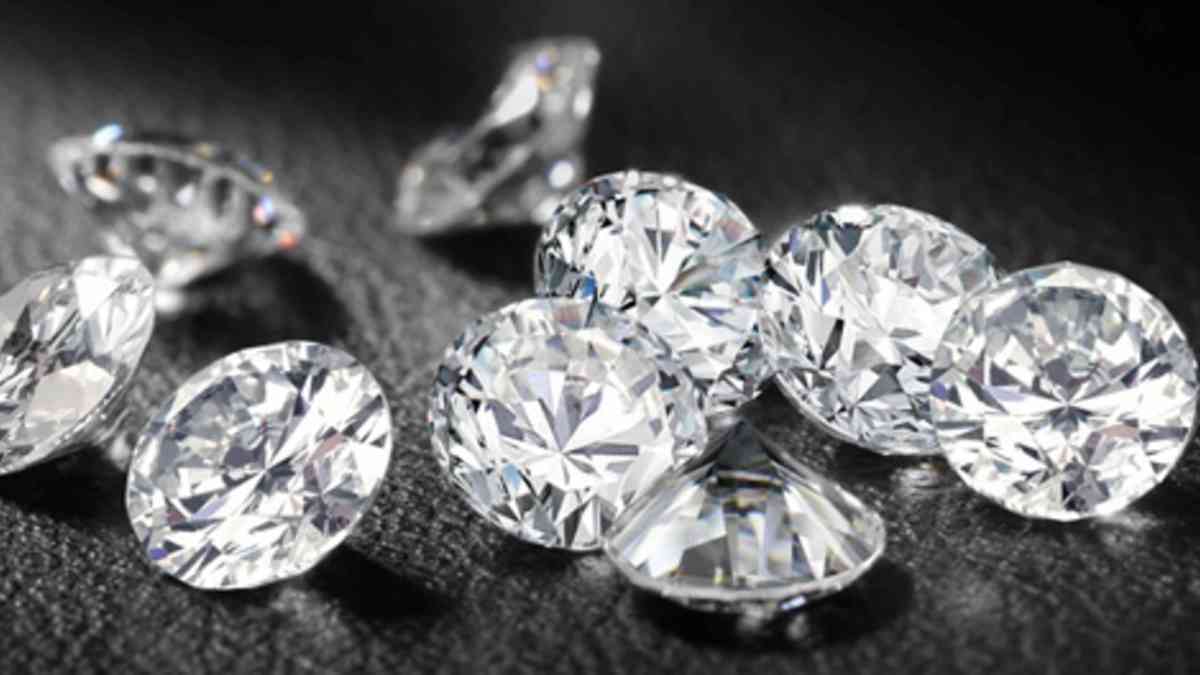
To the naked eye, lab created diamonds and natural diamonds look the same. Both have brilliance, fire, and sparkle. Even trained gemologists can’t distinguish between the two without specialized equipment.
Grading and Certification
Both types of diamonds can be graded by major gemological laboratories such as GIA (Gemological Institute of America) or IGI (International Gemological Institute). They are assessed based on the same 4 Cs:
-
Cut
-
Color
-
Clarity
-
Carat weight
Certificates will typically indicate whether a diamond is lab-grown or natural.
Price Comparison
One of the biggest advantages of lab-created diamonds is their cost.
Lab Diamonds Are More Affordable
-
Lab-grown diamonds are 30% to 70% less expensive than natural diamonds of the same quality.
-
This makes them a more budget-friendly option, especially for engagement rings or larger stones.
Why Are Lab Diamonds Cheaper?
-
They are not as rare as natural diamonds.
-
Production time is shorter, taking weeks instead of millions of years.
-
Less demand in resale markets, making them less valued over time.
Environmental and Ethical Considerations
Ethical Sourcing
-
Natural diamonds have a history linked to conflict zones and unethical mining practices, although the industry now enforces strict guidelines such as the Kimberley Process.
-
Lab-created diamonds are conflict-free and don’t involve human rights issues.
Environmental Impact
-
Natural diamond mining can lead to deforestation, ecosystem destruction, and carbon emissions.
-
Lab-grown diamonds use significant energy (especially with HPHT methods), but overall have a lower environmental footprint, especially if powered by renewable energy.
Value and Resale
Investment Perspective
-
Natural diamonds tend to retain more resale value due to their rarity.
-
Lab diamonds usually have lower resale or trade-in value.
Long-Term Sentiment
For many, the emotional value of a diamond can outweigh its resale price. However, if future value or tradition is important, natural diamonds may be more appealing.
Pros and Cons at a Glance
| Feature | Natural Diamonds | Lab-Created Diamonds |
|---|---|---|
| Origin | Mined from Earth | Grown in a lab |
| Time to form | Billions of years | Few weeks to months |
| Price | Higher | 30–70% less expensive |
| Appearance | Identical | Identical |
| Resale value | Higher | Lower |
| Ethical sourcing | Can vary | Guaranteed conflict-free |
| Environmental impact | Higher | Lower (especially CVD method) |
Which One Should You Choose?
The decision between a lab-created and a natural diamond depends on your values, budget, and preferences.
-
Choose a lab-created diamond if you want to save money, reduce environmental impact, and ensure an ethical purchase.
-
Opt for a natural diamond if tradition, rarity, and long-term value are priorities.
Final Thoughts
Lab-created diamonds offer an exciting, ethical, and affordable alternative to traditional natural diamonds without compromising on beauty or quality. As technology continues to evolve, these stones are gaining widespread popularity and acceptance in the jewelry world.
Ultimately, whether you choose lab-grown or natural, the right diamond is the one that means the most to you.