Lab Diamond Clarity Chart: What You Really Need to Know About Lab Made Diamonds
So, here’s a question for you: if I handed you two sparkling diamonds—one mined from the earth and one created in a lab—do you think you could tell the difference? Most people can’t. Honestly, even trained gemologists sometimes have to pull out special equipment. That’s how good lab made diamonds are these days. And once you start diving into the details, especially with something like a lab diamond clarity chart, it gets even more interesting.
Diamonds With a Story (Not Just a Price Tag)
Think about it for a second. The last time you saw a friend flash their new engagement ring, did you ask about the clarity grade or whether it was lab grown? Probably not. You asked to try it on, or maybe you secretly checked if it sparkled more than yours. That’s the reality.
But clarity does matter—at least when you’re buying. Because let’s face it, nobody wants to spend thousands on a gem and later discover it has little specks or cloudy spots you can’t unsee. That’s where the lab diamond clarity chart comes in. It’s basically a cheat sheet that helps you figure out how “clean” your diamond is.
And the cool part? Lab made diamonds go through the exact same grading process as mined diamonds. No shortcuts, no “discount” labels. Same rules, different origin story.
Clarity Grades, Explained (Without the Jargon)
Okay, let’s keep it real: the official clarity grades can feel like alphabet soup—FL, IF, VVS, VS, SI, I. You read it once, forget it in five minutes. So here’s the human version:
- Flawless (FL/IF) – Basically unicorn diamonds. Even under 10x magnification, they’re spotless. Price tag reflects that, obviously.
- Very Very Slightly Included (VVS1/VVS2) – Tiny flaws, impossible to see without magnification. These are like “wow, you overachieved” diamonds.
- Very Slightly Included (VS1/VS2) – Small inclusions. Still look perfect to the naked eye. This is where a lot of savvy buyers hang out.
- Slightly Included (SI1/SI2) – You might notice inclusions if you stare hard enough. But honestly, most people won’t.
- Included (I1/I2/I3) – Flaws visible without magnification. These can still sparkle, but they’re definitely more affordable.
Here’s the thing: most people never need a flawless diamond. Unless you plan to walk around with a magnifying loupe in your pocket, VS or even SI clarity can look just as dazzling. It’s like buying organic avocados—sometimes you’re just paying for the label.
Why Everyone’s Talking About Lab Made Diamonds
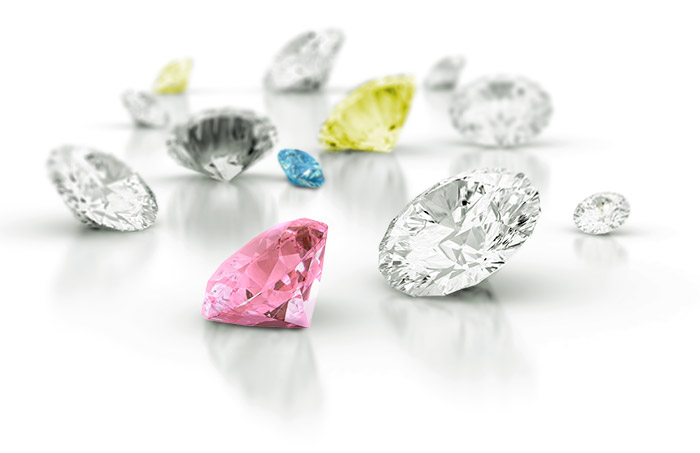
Now, onto the bigger picture. Lab made diamonds aren’t just about saving money (though yes, they usually cost 30–40% less). They’re also about choice. You can get a larger stone, better clarity, or a unique cut without doubling your budget.
And let’s be honest, the ethical side matters too. A lot of people don’t feel great about the traditional diamond trade. With lab grown, you skip the whole mining issue. No one’s digging massive holes in the earth for your sparkle.
Trends I’ve noticed?
- Couples picking bigger stones because their budget stretches further.
- More interest in unique shapes like emerald or pear cuts (because why settle for round when you can be extra?).
- People mixing metals and settings—rose gold halos, yellow gold solitaires, platinum with modern twists.
It’s like the jewellery world finally loosened up its tie.
Why This Matters Where You Live
Here’s something fun: depending on where you are, attitudes toward lab made diamonds shift. In big cities, people are catching on quickly. Friends in New York, London, and even Hong Kong? They’re almost casual about choosing lab grown. It’s become the smart move, not the “alternative.”
And there’s a cultural twist. In some places, showing you know about the clarity chart or you picked a lab made diamond on purpose is a flex. Like saying, “I know my stuff, I did my homework, and I’m not just throwing cash at the first shiny thing.”
Wherever you are, though, one thing stands out: people are craving meaning. They don’t just want sparkle. They want a story. And choosing a lab made diamond that matches your values (and your wallet) checks that box pretty neatly.
How the Process Actually Works (Without the Sales Pitch)
Alright, so let’s say you’re ready to start. What does the buying process really look like? Here’s the not-so-formal rundown:
-
Pick your shape – Round, princess, oval, emerald—think about what vibe you want. Round feels classic. Emerald feels bold. Oval? Elegant but not too extra.
-
Check the lab diamond clarity chart – This is where you decide if you’re cool with a VS1 or if you want to splurge on VVS. Remember: naked-eye perfection often costs less than “microscope perfection.”
-
Balance the 4 Cs – Clarity is just one piece. Carat, color, and cut matter too. A well-cut SI diamond can sparkle more than a poorly cut VVS. No joke.
-
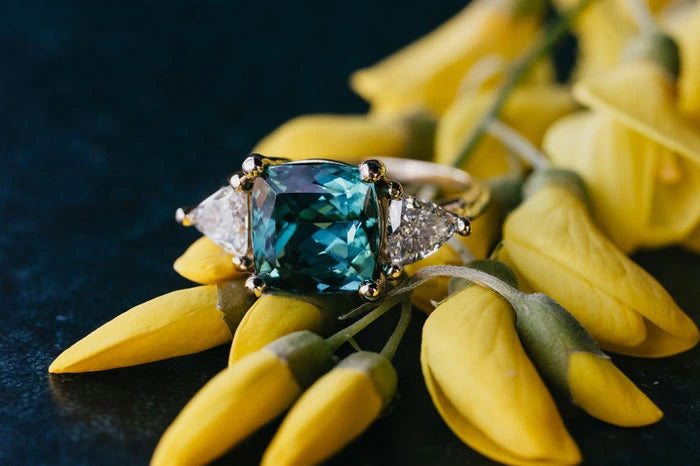
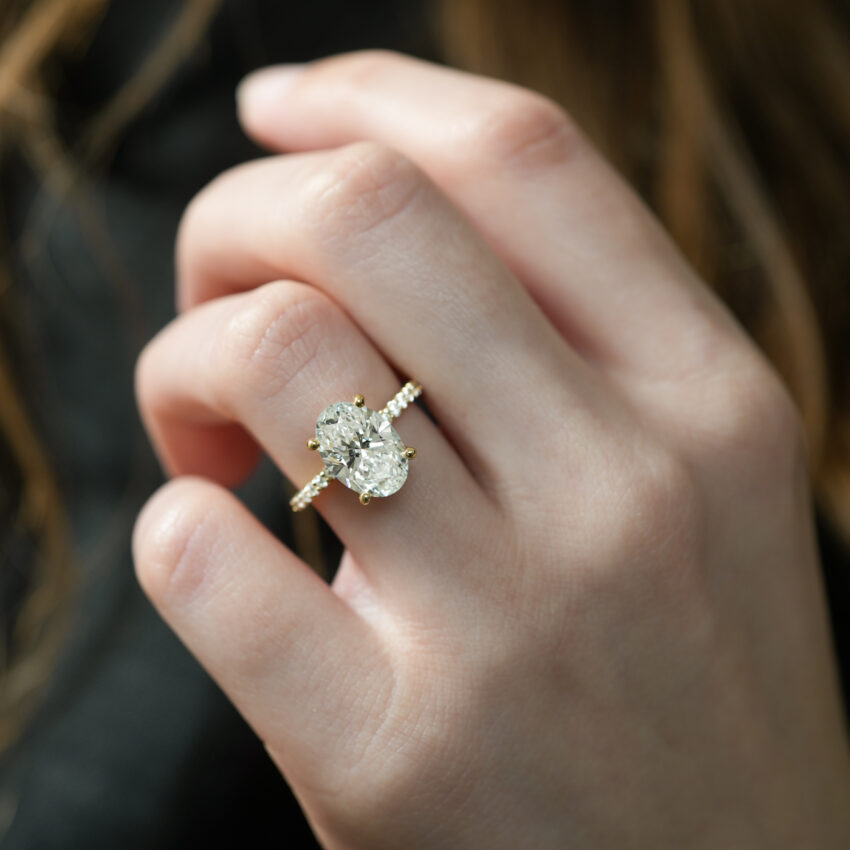
Choose your setting – Solitaire, halo, bezel… it changes the whole personality of the ring. A halo can make your diamond look bigger. A solitaire keeps it timeless.
-
Double-check certification – Reputable labs like GIA and IGI grade lab made diamonds. Always get paperwork. If not? Walk away.
That’s it. No mystery. Just a mix of choices, a little research, and some personal taste.
Wrapping It Up
At the end of the day, the lab diamond clarity chart is a tool, not a rulebook. It helps you understand what you’re looking at, but it doesn’t tell you what’s beautiful. That part is up to you.
And lab made diamonds? They’re not just a budget-friendly hack. They’re a reflection of how jewellery is changing—more ethical, more accessible, and honestly, more fun.