Lab Grown Diamond vs Real Diamond: What You Need to Know Before Your Next Sparkle
Well, if you’ve ever wandered into a jewelry store—or even just scrolled through Instagram—you’ve probably noticed a growing buzz around lab grown diamonds. Honestly, I was surprised to learn how many people still aren’t clear on how they differ from “real” diamonds. So, I thought I’d break it down in a way that feels less like a science lecture and more like a chat over coffee.
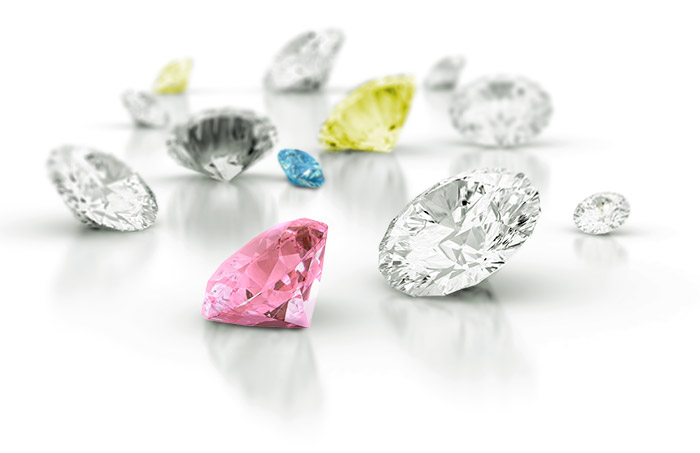
Let’s start with the obvious: both lab grown diamonds and natural diamonds can look dazzlingly similar. To the untrained eye, you might not even notice the difference. They’re both made of carbon atoms arranged in that perfect crystalline structure that gives a diamond its sparkle. But here’s the kicker: one is formed over millions of years deep in the Earth, and the other is created in a lab in a matter of weeks.
What Makes a Diamond “Real”?
This is where things can get confusing. When people say “real diamond,” they usually mean mined diamonds—stones pulled from the Earth through mining operations. Each natural diamond has a unique story, shaped over millions of years under extreme heat and pressure. That backstory is part of what gives it value—not just its brilliance or clarity.
Natural diamonds have been prized for centuries. There’s something romantic about the idea of a gem that literally took nature eons to create. And if you’re buying for tradition or heritage, a mined diamond might feel irreplaceable.
But, and this is a big but, natural diamonds aren’t flawless. In fact, almost all of them have tiny imperfections called inclusions. These aren’t necessarily bad; they can even add character. Think of them as nature’s fingerprints.
Enter Lab Grown Diamonds
Now, let’s talk lab made diamonds. The idea of growing a diamond in a lab might sound like science fiction, but it’s very real—and it’s getting increasingly popular. Lab grown diamonds are chemically, physically, and visually identical to mined diamonds. That means they sparkle, refract light, and even have the same hardness as natural diamonds.
You might not know this, but there are actually a couple of ways to make a lab diamond. The two main methods are High Pressure High Temperature (HPHT) and Chemical Vapor Deposition (CVD). HPHT mimics the Earth’s natural diamond-forming process in a controlled lab, while CVD uses carbon gases to gradually build the diamond layer by layer. Fascinating stuff, right?
Here’s the practical takeaway: if you’re holding a lab grown diamond vs real diamond in your hand, you probably wouldn’t be able to tell it apart from a natural diamond without specialized equipment.
Price and Value Considerations
Okay, now let’s talk money. This is often the first question people ask: why should I buy a lab grown diamond instead of a mined one?
Lab grown diamonds are usually 20-40% cheaper than natural diamonds of the same size and quality. That’s because the production process is faster, less resource-intensive, and avoids the complex supply chains of traditional mining. If you’ve ever cringed at the price tag of a one-carat diamond, a lab diamond might feel like a dream come true.
But there’s a flip side. While lab grown diamonds are cheaper upfront, they don’t always hold resale value as well as natural diamonds. Natural diamonds have an established market and historical prestige, whereas lab diamonds are still carving out their place in the jewelry world. So if investment potential is your goal, that’s something to consider.
Ethical and Environmental Impact
Honestly, this is one of the reasons I personally find lab made diamonds so appealing. Mining natural diamonds can be environmentally destructive, involving heavy machinery, land disruption, and significant energy use. Not to mention the murky history of “conflict diamonds” in certain parts of the world.
Lab grown diamonds, on the other hand, are much more sustainable. They require less energy overall, produce no mining waste, and offer full traceability. If you care about ethical sourcing or carbon footprint (and who doesn’t these days?), lab diamonds have a huge advantage.
Choosing Between Lab Grown and Natural Diamonds
So how do you decide which path to go down? Well, it really comes down to priorities. Are you buying for tradition and long-term value, or are ethical considerations and budget higher on your list?
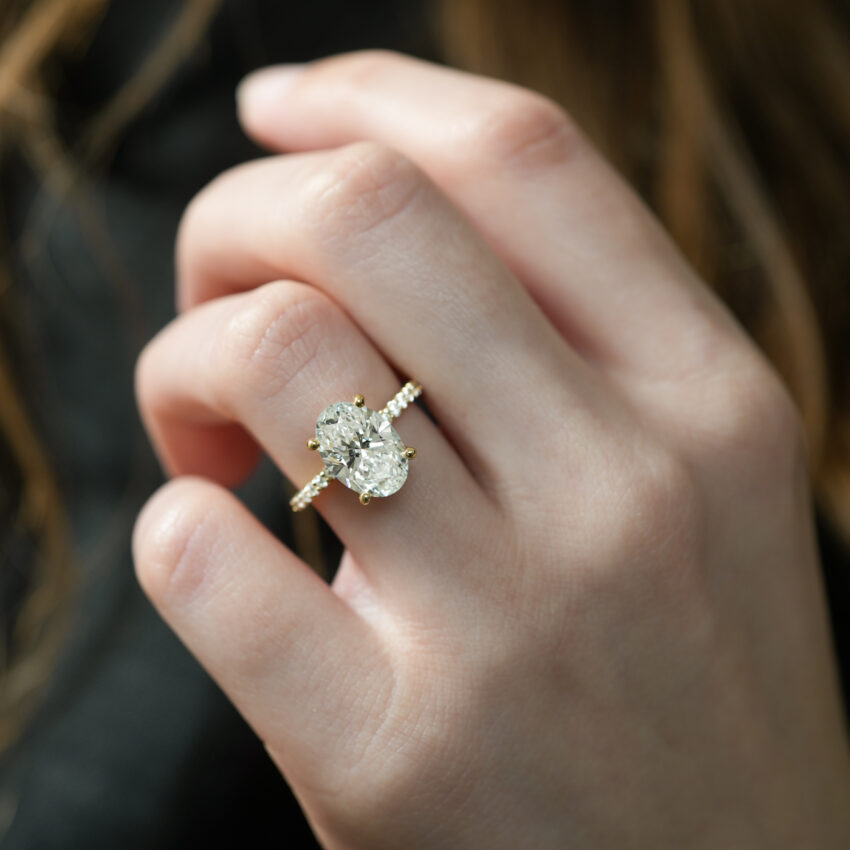
For example, if you’re a couple planning an engagement ring and want a beautiful diamond without breaking the bank—or feeling guilty about environmental impact—lab grown diamonds might be perfect. On the other hand, if you love the idea of owning a piece of Earth’s history, a mined diamond might hold more sentimental value.
Here’s a little secret: many jewelers now offer both options, so you don’t have to choose blindly. You can even compare stones side by side in terms of sparkle, cut, clarity, and price before making your decision. I’ve linked to a helpful resource here that explains lab made diamonds and their benefits in detail—it’s a great place to start your research.
A Few Common Misconceptions
Before I wrap up, let’s bust a couple of myths:
- Lab diamonds are fake. Nope. They’re 100% real diamonds. They just didn’t take millions of years to form underground.
- Natural diamonds are always better. Not necessarily. A lab diamond can be just as brilliant, durable, and beautiful—sometimes even more so because labs can create nearly flawless stones.
- Lab diamonds are a new trend. Actually, scientists have been making diamonds in labs for decades. It’s just now that technology and awareness have made them mainstream.
Final Thoughts
Honestly, I think the choice between lab grown and natural diamonds isn’t about right or wrong—it’s about what matters to you. Both can dazzle, both have their stories, and both can become a cherished part of your life.
For me, I find it comforting to know that I can choose a diamond that’s ethically made and still breathtakingly beautiful. But I also get the appeal of holding a gem that’s been part of the Earth for millions of years—it’s humbling, really.
At the end of the day, whether you go lab or natural, the most important thing is to pick a diamond that resonates with your values, your style, and your story. After all, a diamond is more than just sparkle—it’s a memory, a promise, and a little piece of magic that you get to carry with you.
So next time you’re browsing rings or just daydreaming about jewelry, remember: there’s no wrong choice here. Just two very different ways to capture a lifetime of shine.