Men’s Wedding Rings with Lab-Grown Diamonds: A Modern Symbol of Love
A circle of metal holds deep meaning when it marks a promise made between two people. Not so long ago, much of the spotlight shone on engagement pieces and designs for women. Yet choices for men have changed in quiet but clear ways over time. Today’s grooms often look beyond old norms, choosing bands that speak to who they are – through design, story, or origin. Slowly gaining ground in this space: diamonds made not underground, but in labs. These stones offer another path, shaped by choice rather than chance.
Starting with science, lab-made diamond bands for guys blend sleek innovation with planet-friendly choices. Not only do they shine just like mined stones, but they last just as long too. Because of this, pairs are picking these groom’s rings – seeing them as both thoughtful and kinder to the earth. Ending on purpose, the choice reflects love that cares how it’s made.
The Changing Style of Men’s Wedding Bands
Back then, grooms usually picked plain bands – nothing flashy. Across ages, plenty of societies thought brides alone should sport a wedding ring men, yet guys slowly joined in come the 1900s. The shift grew stronger once war broke out: troops carried those circles on their fingers like quiet promises to loved ones back home.
Back then, most guys wore simple circles of gold or platinum for their wedding bands. Even though those timeless looks still get chosen often, today’s grooms see far more options waiting. Tungsten steps in beside titanium, while black zirconium pairs with carbon fiber. Strength mixes with personality now, shaping rings that last and stand out. Choices stretch further than ever, yet some stick to what feels familiar.
Nowhere else has the shift been clearer than in how often diamonds appear on men’s wedding bands. Instead of bold center stones, small diamond details quietly lift the look of the ring. Thanks to lab-made stones, wearing one feels within reach, even expected.
Lab Grown Diamonds Explained?
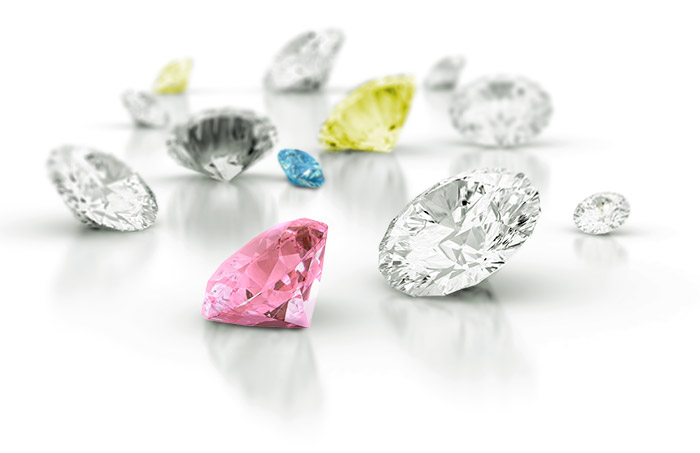
Starting deep underground, nature makes diamonds over time. Lab versions begin on lab benches instead. What happens next skips centuries of heat and pressure. Instead, machines step in to copy those extreme conditions. One way uses intense pressure plus high temperatures. Another method takes gas and turns it into solid crystal layers. Both paths lead to the same result – pure carbon arranged just like mined stones. These aren’t copies. They’re identical down to the atomic level. Real diamond structure emerges without digging a single hole
- A diamond forms when extreme conditions squeeze carbon below the surface. Deep underground, pressure builds along with scorching temperatures. Nature repeats this slowly, but labs can speed it up. Instead of waiting millions of years, scientists recreate those depths artificially. Massive presses push down while heating elements turn on. Carbon crystals grow under these forces over days or weeks. The result looks identical to mined stones. Pressure stays high, temperature doesn’t drop until growth finishes. Each stone takes shape molecule by molecule.
- A thin stream of carbon-heavy gas flows into a sealed space where diamonds slowly form. What happens next is quiet, almost invisible – molecules settle, bond, build. Inside that enclosed area, under steady conditions, crystal layers expand one by one. The result appears over time: pure diamond, grown without digging. Temperature holds firm, pressure stays even, growth continues. Not mined, but made – layer after layer, atom upon atom.
Even though lab grown diamonds come from a lab, their makeup matches natural ones exactly. One thing stands out – these stones resist scratches just like earth-mined versions. Their strength hits maximum levels on the hardness chart. Day after day, they hold up well when worn regularly.
A tiny machine is usually needed to tell if a shiny stone came from deep underground or was made in a lab. Jewelers who do this every day still need high-tech gear to spot the difference.
Lab Grown Diamonds Rise in Men Wedding Bands
Few reasons explain why more grooms choose man-made stones for their rings. Unexpected shifts in taste play a role, yet practical concerns shape decisions just as much. Style preferences change slowly, though value often tips the balance. New attitudes toward materials mix with tighter budgets, which keeps interest rising. What feels modern today sticks around tomorrow, simply because it makes sense.
1. Ethical Sourcing
Starting with peace of mind, lab-created stones come free from warzone ties. Mining natural gems often leads to scarred landscapes and troubling labor questions. Since these diamonds form indoors under steady conditions, harm fades away. Their origin skips digging entirely.
Built in labs, these stones suit pairs focused on doing right by people and planet. Choices like this one reflect what matters most to them.
2. Environmental Sustainability
Fewer trees fall when diamonds grow under lab lights instead of deep pits torn into soil. While natural gems demand gallons just to wash dirt, their man-made cousins sip resources by comparison.
Now labs grow diamonds using sunlight instead of mining deep underground. Some factories even run on wind power so the stones come without heavy pollution. These changes help cut down waste while meeting demand slowly rising each year.
3. Greater Affordability
Priced lower by 30% to 40%, lab-made stones often match natural ones in look yet spare extra cash. Because of that gap, many choose finer details or better clarity when picking a ring.
Starting at lower prices, diamond details now fit easier into groom budgets. Bright sparkle comes through without needing deep pockets. Some choose these styles just to keep things lighter on spending. Shine shows up clearly even when costs stay small.
4. Exceptional Quality
Starting with a clean slate, these stones form in labs where conditions stay tight and precise. Fewer flaws show up inside them because of how they’re made. When it comes to looks, many shine bright with strong color and clear faces. Shoppers find high marks in both traits without emptying pockets. Price tags tend to sit lower than those on mined versions.
So men’s wedding bands might hold diamonds that shine bright but still keep a clean, strong look.
Common Types of Men’s Lab Created Diamond Wedding Bands
A fresh take on rings comes alive when synthetic stones meet bold designs made just for grooms. Craftsmen today shape bands where sparkle fits naturally alongside strength. These pieces skip old rules, blending clean lines with stones grown in labs. Style shifts quietly here – no flash, just form holding meaning. Each ring carries a new path forward, built not by tradition but choice.
Classic Diamond Band
A narrow strip of metal forms the base, holding tiny stones set right into it. Though classic in shape, glimmers catch your eye without shouting. Each stone sits flush, blending smoothness with quiet sparkle. Shape stays clean, yet light dances where surfaces meet edge.
Channel-Set Diamond Rings
Hidden within a narrow track of metal, stones line up neatly for safety. A sleek look comes through, thanks to walls on both sides holding each gem tight.
Black diamond accent rings
Not every man goes for flashy sparkle – some like things darker, sharper. Black lab-created stones stand apart where classic clear gems usually dominate. A ring with one of these catches eyes differently, especially when set in cool-toned metal. White gold or platinum frames it without competing. The result feels sharp, grounded, not trying too hard.
Mixed-Material Rings
Picture sleek rings built tough, mixing tungsten or titanium with tiny diamonds tucked in. These bands hold up well, catch light nicely, made for hands always on the move.
Matte and Brushed Finishes
Frosted or grainy textures often coat men’s wedding bands, sometimes dotted with small diamonds. Shine mixes with restraint here, giving strength a quiet look. These choices let toughness wear softly on the hand.
Selecting Metal for a Man’s Diamond Wedding Band
A shiny band might look lovely at first glance – yet what it’s made of changes how long that shine lasts. Gold brings warmth to the design, while platinum feels heavier on the finger. Titanium stays strong through daily wear, whereas palladium offers a lighter touch without sacrificing resilience. Silver tends to dull faster compared to others, needing more care over time. Each choice shapes not just looks, but how it lives with you
Pure platinum stands strong over time, keeping its cool white glow without fading. Dullness never takes hold, so it stays bright like morning frost. Diamonds find a quiet harmony beside it, each sparkle meeting steady support. Many see it as the top pick when choosing something meant to last.
Appearing much like platinum, white gold comes in just a bit less expensive. Diamonds look sharp beside it.
Warmth flows through yellow gold, a choice built to last. Its glow feels familiar, yet never fades into the background. Elegance here isn’t shouted – it settles in quietly, like light on old wood. This metal doesn’t chase trends; it simply stays. Time moves around it, not ahead of it.
From mountain trails to daily commutes, titanium stands out. Its strength surprises many who first hold it. Light in hand but tough under pressure, it handles wear without slowing down. For those always on the move, it just works – no questions asked.
Tiny bits of metal fused hard under extreme heat make up this stuff. Its look grabs eyes without trying – sharp edges stay smooth over time. A ring keeps its shape even when life gets rough. Not every material handles daily knocks so well. Some call it tough luck; others just notice it lasts longer than most.
Choosing a metal means thinking about how it feels, your daily routine, then matching it to how you like to look. What fits best often depends on small things that matter more than expected.