The Complete Guide to Pavé Engagement Rings with Lab Diamonds
Picking an engagement ring now means looking at choices that feel classy, do less harm to the planet, while staying within reach budget-wise. Sparkle packed pavé rings made with man-made stones have started drawing attention – thanks to their classic shine paired with newer values. What exactly makes a setting “pavé” might not be common knowledge yet. These tiny bright stones set close together catch light in a way few designs can match. Lab-created diamonds bring clarity, cost benefits, along with fewer environmental concerns compared to mined ones. More duos lean toward this mix – not just for looks but how well it fits their outlook on value and responsibility. The rise in favor isn’t sudden – it lines up with shifting views on what matters in meaningful purchases.
Understanding pavé engagement rings?
Pieces of glitter nestle tight along the band, each one tucked near its neighbor. That constant shimmer? It brings to mind a road covered in crushed ice under sunlight. The name slips from French roots meaning something more like cobblestones laid in streets. Tiny stones fill every gap so sight never finds an empty stretch.
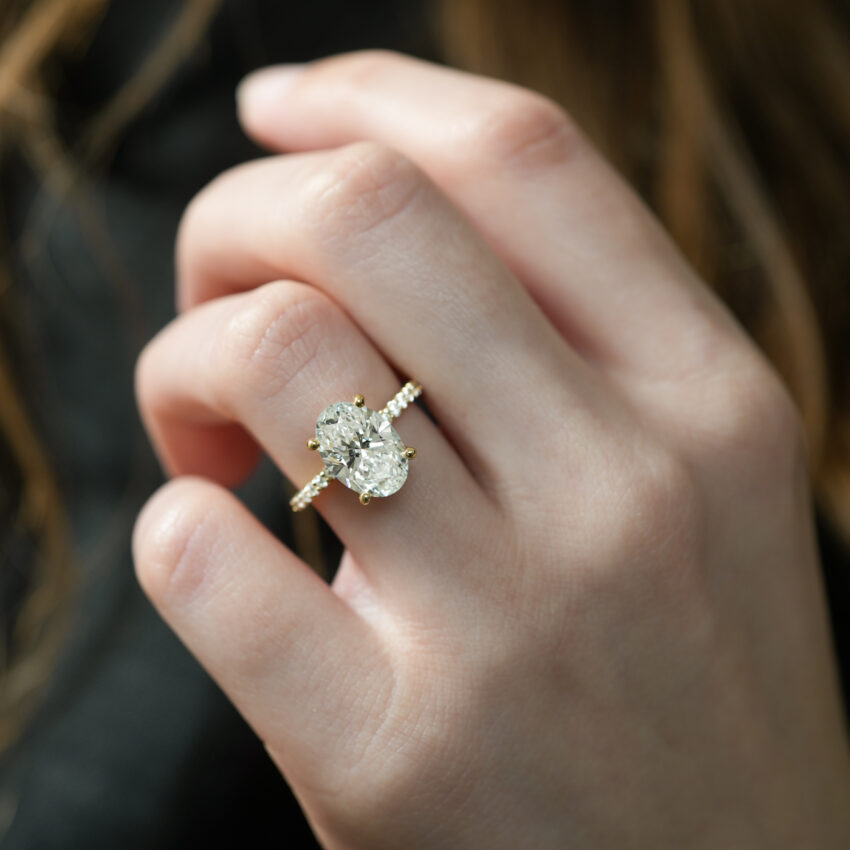
Pavé engagement rings spread sparkle across the whole band instead of highlighting just one central gem like solitaire styles do. Tiny stones get locked in by miniature metal claws or bumps, giving strength without losing elegance. While some versions cover the full circle of the ring – earning the name “eternity pavé” – others bring shine only along the top portion.
Pavé Setting Characteristics
- A bright glow comes through in every angle, each diamond packed close to catch and bounce light. This creates a rich shine that moves like liquid across the surface.
- Pavé works well with many center stones, whether it is a traditional round cut or something more unusual like a princess shape. What matters is how the small surrounding stones enhance whatever sits at the middle. Even odd-shaped gems gain balance when paired this way. The setting adapts without stealing attention.
- Pavé settings carry a quiet grace, even with many stones. Their charm lies in soft shimmer rather than flash. These designs suit wearers drawn to understated beauty instead of drama. Tiny gems blend into smooth brilliance through careful placement. The effect feels polished without calling attention. Refined presence comes from balance, not size.
- Picking a width first, jewelers shape pavé bands to fit different styles, mixing metals and stones their own way. Some choose narrow settings; others go wide – each shift changes how diamonds sit. A rounded profile might follow the curve of a ring, while flat ones stay level. Size plays a role too – not just finger size but stone count per inch. Metal choice alters everything: white gold gives cool shine, yellow brings warmth. Arrangement? That part dances between symmetry and surprise.
Lab Grown Diamonds Why They Exist?
Created in labs, these stones match natural ones in every way – same sparkle, same hardness, same makeup. Not pulled from deep underground, they form instead under precise conditions scientists control. Where traditional diamonds take billions of years below the surface, these appear in weeks above ground. Their journey begins not in rock, but in technology that copies nature’s recipe.
Lab Grown Diamonds Offer Cost and Ethical Benefits
- Starting fresh, lab-made stones skip the damage linked to digging for gems – no blood diamonds, less harm to nature. From another angle, they sidestep forest loss and tainted supply chains seen in old-style extraction. Picture this: clean labs instead of deep pits scarring the earth. These sparklers form without fuel-heavy hauls across continents. Truth is, mines often displace wildlife; these alternatives don’t require that trade-off. Behind every one sits science, not soil upheaval.
- Priced lower than natural diamonds, lab-made gems typically save shoppers between twenty and forty percent. That gap means more size or better quality without stretching the wallet. Some pick bigger sparklers. Others go for clearer cuts – same money, different choices.
- Lab diamonds usually show better clarity because they form in steady environments. Though made by people, their purity matches natural stones without costing more. Higher grades appear more often when conditions stay precise during growth.
- Knowing where your diamond came from becomes possible through clear records of its making. A lab-created stone carries details about how and when it formed. This path from start to finish shows exactly what happened along the way. Proof of honesty in sourcing sits at the heart of this system. Realness gets confirmed because every step leaves a mark.
Starting with lab-made stones set closely together brings out brilliant shine while staying kind to animals and affordable. Sparkle gets boosted when tiny man-made gems are placed edge to edge in metal tracks that hold them tight, skipping harm and high costs alike.
Common Metals Used in Pavé Ring Settings
A pavé engagement ring look and strength depend on its metal. Choices often seen are gold, platinum, white gold, or palladium – each shaping how it feels and holds up over time
- Pavé diamonds sit tight when held by platinum. This metal stays bright, never turning dull. White without treatment, it lasts longer than most. Toughness comes standard here. Security matters – tiny stones need strong settings. Corrosion stands no chance.
- Pearl hues dance through white gold, a familiar favorite that costs less than platinum. Brightness gets a boost when it wears a coat of rhodium, making it tougher too.
- Pretty yellow gold brings a cozy glow. Its rich tone pairs with bright white diamonds nestled close together. Tiny stones sparkle beside the golden hue. A classic mix shows up well in this design. Light dances where metal meets stone.
- A warm blush tint flows through rose gold, often chosen when crafting pieces meant to feel tender or current. This metal pairs gently with the shimmer of man-made diamonds, letting their glow stand out without overpowering it. Softness meets brightness here, creating balance in design choices that lean personal rather than bold.
How Pavé Rings Hold Diamonds
Picking out a pavé engagement ring means paying close attention to how the stones sit, what kind of sparkle you like, also how it fits your everyday look. Important things come down to the metal’s grip on each tiny diamond, whether the band feels right when worn daily, plus if the overall shine matches your taste. Think about durability first, then how much light reflects off the small gems set edge to edge, lastly if the design still feels fresh after weeks of seeing it every day
1. Diamond Size and Quality
Most of the time, pavé stones sit tiny next to the main diamond, yet how clear they are changes how bright everything looks. Brightness jumps when the side gems show little flaws – think VS grade or cleaner. Color matters just as much, with G to H tones keeping light lively. A well-chosen mix makes the whole piece catch eyes without trying.
2. Band Width
Starting wide means extra sparkle from more tiny stones, giving strength to the design. A slim setting draws eyes to fine details instead. How big the ring’s main gem sits matters when picking thickness. Matching them keeps balance.
3. Prong Style
A few small metal claws grip each tiny diamond tightly. These little arms must be strong, built right so stones stay put. Weak ones might let gems slip free after a while. Craftsmanship here keeps everything secure through daily wear.
4. Center Stone Compatibility
Fresh off the bench, pavé styles click neatly beside most center stones – though certain matches shine smarter together. Take rounds: their smooth glow rides easy next to tiny dots of light along the band. Sharp-edged baguettes? They slice through softness, adding crisp angles that feel current without shouting.
5. Lifestyle Considerations
Even tiny diamonds on pavé bands need careful handling. When life keeps moving, pick a sleeker version of the ring – something snug and steady on the finger. Bumping into things happens, so tighter settings make sense when hands stay busy.
Styling Pavé Engagement Rings
Pavé rings go well with different styles of wedding bands. Some folks pair them with thin metal hoops. Others choose ones dotted with small stones along the edge. Mixing textures works too – like a smooth band next to a shimmering ring. A bold look comes from stacking several slim rings together. Minimal pairs keep attention on the center stone. Wider companions add balance without stealing focus
- A line of tiny diamonds runs edge to edge, linking smoothly with your ring. Each stone catches light without pause, flowing like a single gleam. This band aligns flush beside your center piece, making the whole set sit evenly. Sparkle stretches uninterrupted across both rings when placed together.
- A smooth band of metal stands apart, making the sparkled edge of the engagement ring more noticeable. It steps back just enough to let the details shine through without matching them exactly.
- Start stacking rings by pairing pavé bands with matte finishes or soft hues of sapphires. Texture plays well against sparkle when grouped thoughtfully on one finger. Try alternating between smooth metal and tiny stone settings for contrast. Color shows up nicely beside white diamonds if chosen with care. A single bold hue can shift the whole look without overwhelming it. Balance matters most when combining more than three pieces together.
Caring for Your Pavé Lab Diamond Ring
Might last long, but pavé settings need attention when it comes to lab-made diamonds
- A gentle scrub with soapy water lifts grime nestled near small gemstones. Bristles help dislodge particles hiding in tight spaces. Soap breaks down buildup without harming delicate surfaces. Dirt often gathers where fingers can’t reach easily. Careful brushing keeps each stone visible. Mild cleaners work best on fine details. Tiny gaps trap debris over time. Water rinses away loosened residue afterward.
- Every six to twelve months, get a jeweler to look at your jewelry. That way, loose prongs or shaky settings won’t risk losing a stone. A quick once-over keeps things tight. Small checks prevent big problems down the road. Gems stay put when fittings are solid. Routine visits catch what you might miss. Security grows with regular attention. Nothing lasts forever – maintenance helps it try.
- Steer clear of strong chemicals. Take off your ring before handling bleach – this keeps the metal safe, also protects the stones. Abrasive cleaners? They can harm the surface, plus dull the sparkle over time.
Why pavé lab diamond rings are gaining attention
Pavé lab diamond rings are catching on fast because they balance doing the right thing with looking good. Values matter more now, so many pairs want jewelry that shows what they believe. A shimmering band made from grown stones fits just right when style meets care for the planet. Shoppers find these pieces feel rich but don’t cost the earth – literally. What once seemed rare can now be both kinder and bright.
Conclusion
Sparkling light dances across a pavé engagement ring set with lab-created diamonds – beauty meets mindful decision here. Tiny stones line the band, catching eyes without saying a word, each one shining just like mined gems but formed above ground. Choose cool platinum, warm rose gold, or sleek white gold – the metal wraps around your finger, holding fire in its grip. These rings carry grace through years, glowing steady, built for moments that matter.
Not just pretty but packed with meaning – pavé rings set with man-made diamonds stand out for couples wanting something bold. Sparkle meets sense when classic looks pair with today’s values. These rings shine bright while staying true to budgets and beliefs. A glow that lasts? That kind comes from choices made right.