


Buying Lab-Made Diamonds: A Complete Guide to Lab-Grown Diamonds
Lab-made diamonds, also known as lab-grown diamonds, have rapidly gained popularity in recent years. Once considered an alternative option, they are now a mainstream choice for engagement rings, fine jewelry, and investment in modern luxury. With advancements in technology and changing consumer preferences, buying lab grown diamonds has become easier, smarter, and more appealing than ever.
This article explores everything you need to know about purchasing lab-made diamonds, including what they are, their benefits, how they compare to natural diamonds, and essential buying tips.
What Are Lab-Grown Diamonds?
Lab-grown diamonds are real diamonds created in controlled laboratory environments using advanced technological processes. These methods—primarily High Pressure High Temperature (HPHT) and Chemical Vapor Deposition (CVD)—replicate the natural conditions under which diamonds form deep within the Earth.
Unlike imitation stones such as cubic zirconia or moissanite, lab-grown diamonds have the same chemical composition, crystal structure, and physical properties as natural diamonds.
This means they offer identical brilliance, hardness (10 on the Mohs scale), and durability.
The only real difference? Their origin—lab-grown diamonds are created in weeks, while natural diamonds take billions of years to form underground.
Why Buy Lab-Made Diamonds?
1. Affordable Luxury
One of the biggest advantages of lab-grown diamonds is their price. They typically cost 40% to 70% less than natural diamonds of similar quality.
This allows buyers to choose:
- Larger carat sizes
- Higher clarity grades
- Better color quality
—all within the same budget.
2. Ethical and Conflict-Free
Lab-grown diamonds are considered a more ethical choice because they are created without mining. This eliminates concerns about:
- Conflict diamonds
- Environmental damage
- Worker exploitation
Additionally, lab production often uses significantly fewer natural resources and produces lower carbon emissions.
3. Environmentally Friendly
Traditional diamond mining can have a significant environmental impact. In contrast, lab-grown diamonds:
- Use less water
- Produce fewer greenhouse gases
- Avoid land disruption
This makes them a preferred option for environmentally conscious buyers.
4. High Quality and Consistency
Because they are grown in controlled conditions, lab diamonds often exhibit:
- Fewer inclusions
- Better clarity (VVS or higher)
- More consistent color
This precision allows for predictable and often superior quality compared to natural diamonds.
Lab-Grown vs Natural Diamonds
Understanding the differences helps you make the right decision:
| Feature | Lab-Grown Diamonds | Natural Diamonds |
|---|---|---|
| Origin | Created in labs | Formed underground |
| Price | 40–70% cheaper | More expensive |
| Quality | High consistency | Natural variations |
| Environmental Impact | Lower | Higher |
| Resale Value | Lower | Higher |
While both types are visually and chemically identical, natural diamonds tend to retain more resale value, whereas lab-grown diamonds are better for affordability and immediate value.
Things to Consider Before Buying
1. Certification Matters
Always buy diamonds that come with certification from reputable organizations such as:
- GIA (Gemological Institute of America)
- IGI (International Gemological Institute)
Certification ensures the diamond’s authenticity and provides details about its quality.
2. Focus on the 4Cs
Like natural diamonds, lab-grown diamonds are graded based on the 4Cs:
- Cut
- Color
- Clarity
- Carat
Among these, cut is the most important factor for sparkle and brilliance.
3. Choose the Right Shape
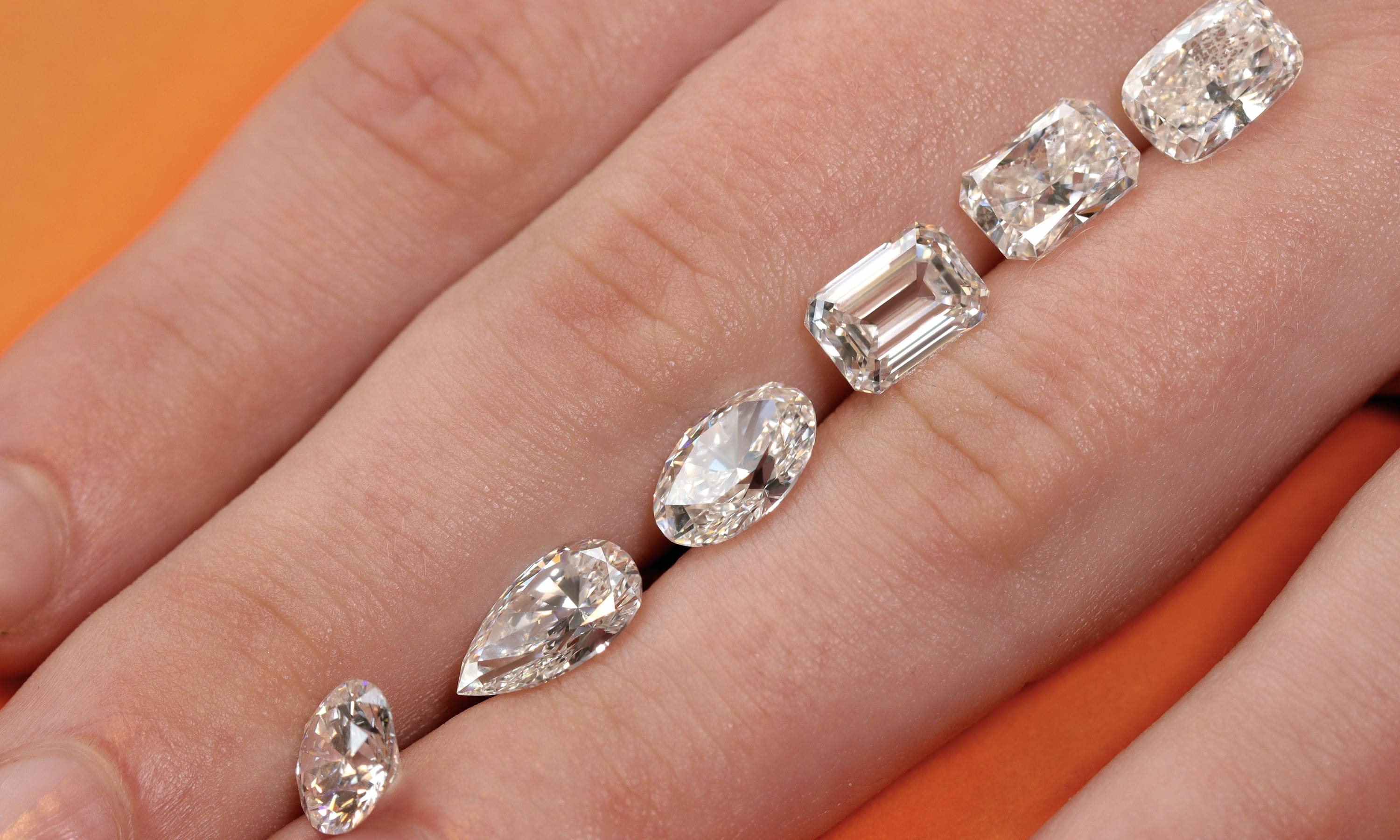
Popular diamond shapes include:
- Round
- Princess
- Oval
- Cushion
Your choice should depend on personal style and how the diamond will be used (ring, pendant, etc.).
4. Understand Resale Value
buy lab made diamonds generally have lower resale value compared to natural diamonds. Some estimates suggest they retain only 10–40% of their original price, while natural diamonds retain more.
If your priority is investment, natural diamonds may be a better option. However, if you value affordability and aesthetics, lab-grown diamonds are ideal.
5. Buy from Trusted Retailers
Always purchase from reputable jewelers or online platforms that provide:
- Transparent pricing
- Certification
- Return policies
Well-known retailers often offer customization options for engagement rings and fine jewelry.
Are Lab-Grown Diamonds Worth It?
Yes—lab-grown diamonds are absolutely worth buying for most modern consumers. They offer the same beauty, durability, and brilliance as natural diamonds at a significantly lower cost.
In fact, more than half of engagement ring buyers today are choosing lab-grown diamonds due to their affordability and ethical appeal.
They are particularly ideal for:
- Budget-conscious buyers
- Eco-conscious consumers
- Those seeking larger stones for less money
Final Thoughts
Lab-made diamonds represent a shift in the jewelry industry toward sustainability, transparency, and value. They are not “fake” diamonds—they are real diamonds created through innovation rather than geological processes.
When buying a lab-grown diamond, focus on certification, quality (4Cs), and a trusted seller. While they may not hold long-term investment value like natural diamonds, they provide unmatched beauty and affordability.
Ultimately, the best diamond is the one that aligns with your values, budget, and personal style. Whether you choose lab-grown or natural, the meaning behind the diamond is what truly matters.


