Rose Gold Rings Guide with Lab Diamonds
A choice like rose gold isn’t only about shade or material. It’s more like finding what fits your story. Something fresh yet familiar catches your eye. Worth matters, just as much as how well it’s made. The look should feel luxurious while staying grounded in real cost. Laboratory-grown stones step onto the scene right here. Solving this boils down to one thing: beauty that lasts without emptying your wallet. A clear conscience matters just as much when slipping it on each morning. What lies ahead unpacks their role in meeting those wants, guiding you toward picks that make sense.
Lab Diamonds Explained
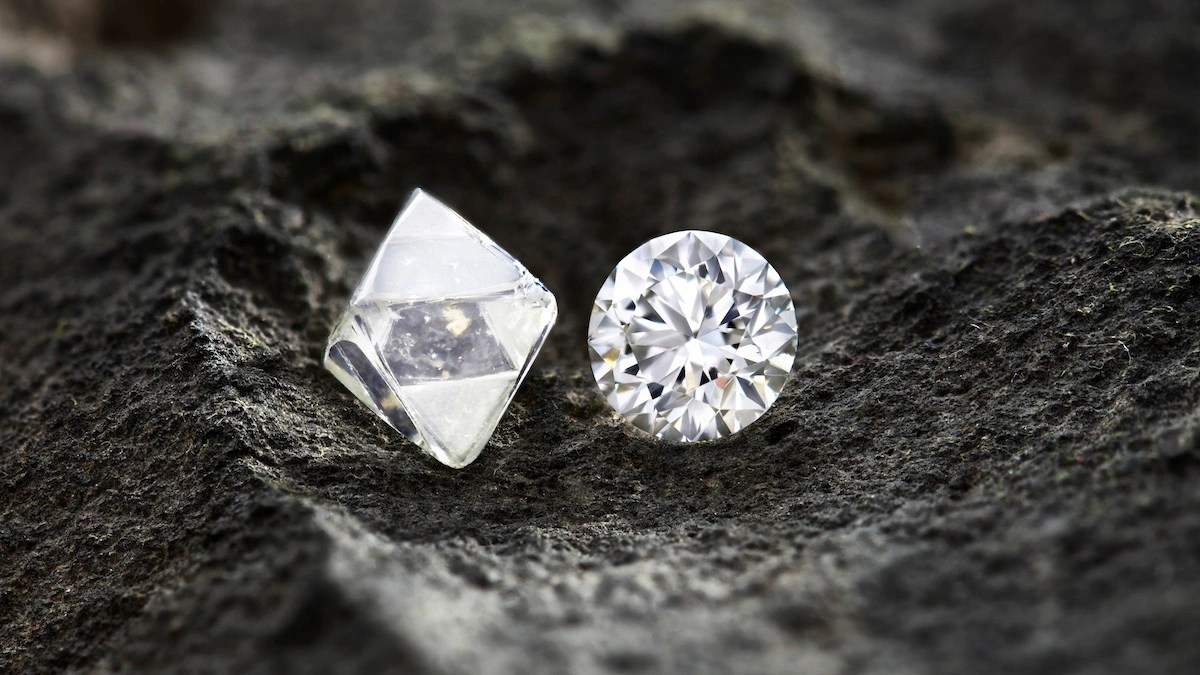
Real diamonds can come from labs. Not pretend stones. Nothing like cubic zirconia. Same stuff, same sparkle, same hardness. Made just a different way. Earth takes forever, squeezing carbon underground. These grow under careful watch, with smart machines helping along. One begins below ground, the other above – both end up shining. A single crystal shape comes out either way. Place a lab-created stone beside a natural one, yet spotting any contrast without tools proves impossible.
Lab Diamonds with Rose Gold Rings
Pinkish rose gold rings a cozy glow. Mixing gold and copper gives it that gentle hue. Because of its warmth, it works nicely next to a bright diamond. Man-made stones make the difference sharper. Light jumps more when set in this mellow metal. What you get sits just right. Never shouting. Never fading into the background. A single stone set in pink-toned gold, one full carat grown in a lab, holds quiet confidence. This piece fits morning routines just as easily as evening gatherings. The glow stays steady, never shouting, always present.
Lab Diamonds How Theyre Created
One way to make lab diamonds involves intense heat and pressure. Another relies on a gas mixture that builds up layers over time.
- High Pressure High Temperature method
- Chemical Vapor Deposition method
Heat plus heavy pressure act on carbon in one approach. Underground diamond creation gets mirrored this way. A different path uses gases instead. Layers build up on a starter crystal during that process. Quality counts most, not which way you pick. Skip the method debate while shopping.
Check Quality
A diamond’s origin doesn’t change how you check its quality. Look at cut, clarity, color, then carat weight – just like with mined stones.
Cut
Light bounces differently depending on the diamond’s shape. Brightness shows up best when the cuts are precise. Take a round diamond graded excellent – it shines with more energy compared to a bigger one ruined by bad shaping.
Color
Fades from clear glass toward a hint of lemon. Value climbs when tint disappears.
Clarity
Inside a gem, tiny features show up. These usually need a lens to see them. Clarity means how clear it looks because of those little signs.
Carat
Size comes down to carat weight. Just because it’s larger does not mean it shines brighter. A well-cut stone often outshines a bigger one when light hits. Focus on how it sparkles, not just how big it looks.
Price Advantage
For many, cost tops the list when picking lab diamonds. Expect savings between thirty and fifty percent versus natural stones that match in quality. That opens doors.
- Picking a bigger rock is an option
- You can invest in better cut quality
- You can stay within budget without compromise
A one carat lab diamond could fit your budget when a 0.7 carat natural stone does not – clarity often improves too.
Durability and Daily Use
Firmness hits the top mark when lab diamonds land at 10 on the Mohs scale. Only a few materials can claim that peak level of toughness. Because of it, everyday knocks barely leave a trace. Rings meant for constant use benefit quietly from this shield. Copper slips in to soften rose gold – just enough to make it less rigid than its white or yellow cousins. A sturdy diamond makes the combo last longer. Wearing it daily won’t lead to fast wear if matched well.
Ethical and Environmental Considerations
What matters to lots of shoppers? Where their jewelry comes from. Instead of digging deep into the earth, lab diamonds grow in controlled spaces. Less soil torn up. Fewer natural supplies drained. That difference makes them stand out for certain buyers. A genuine stone sits on your finger – no baggage from dirty digs underground.
design options for you
Fancy shapes become possible when prices stay low. Because lab stones save money, unique looks come into reach.
- Halo settings for extra sparkle
- Three stone rings for symbolic meaning
- Minimalist solitaires for a clean look
A delicate rose gold ring holds tiny accent gems beside a center stone grown in a lab, adding dimension but still feels light on the finger.
Buying Smarter
A solid strategy shapes how you buy. What matters most is knowing each step before starting. Buying works better when steps are set ahead of time.
Set Your Budget First
Start by choosing a number that feels right to you. Going past it might bring more stress than gain.
Prioritize Cutting Over Bigger Results
A small stone, when shaped just right, catches light more than a big clumsy rock ever could.
Check Certification
A stamp from known places such as IGI or GIA often helps tell what’s real. Sometimes it shows more than just value – like whether something was checked fairly. You might notice a difference when one piece has it, another doesn’t.
Choosing the Right Setting
A soft blush tint in the metal often lifts warmer undertones. See how it feels when worn regularly.
Look at Options First
Start by skipping that first ring. Try checking several choices before deciding.
Common Misunderstandings
Truth sits quiet while rumors run loud. These stones form underground? Nope – built in rooms with tech. Same sparkle though. Built just like earth ones, atom by atom. Strength matches exactly. Shine stays decades long. Worth shifts based on market habits, not flaws in crystal. Origin story changes everything for some folks. Performance never wavers between them.
When lab diamonds are the practical choice
Built to last when you need something reliable. A solid pick should durability matter. Good for those who value steady performance. Stands up well under regular use. Often chosen without second thoughts. Holds its own where others might fail
- Better size for your money
- Modern design flexibility
- A clear origin story
- Everyday durability
Should you care about heritage or what it could fetch later, weighing them side by side makes sense. Before choosing, think on how one feels rooted versus how long its worth lasts.
Real Life Example
Step inside a shop, cash limit in mind. Two rings catch your eye. One has a natural stone – under one carat, so-so shaping. The other holds a grown gem – an eleventh of a carat bigger, sharp angles, clean light return. Rose gold frames each. Many go for the second – it fills more space on the hand, sparkles stronger, fits the number they planned to spend.
Care and Maintenance
Taking care of your ring is simple.
- Wipe it down using a soft soap mixed with water
- Avoid harsh chemicals
- Keep it apart so marks do not form
A sparkle stays put when you wipe it down now and then. The pinkish metal shines best if touched up between wears.
FAQ
Are lab diamonds real diamonds
True. Their makeup matches natural stones exactly. What sets them apart is just the origin story behind each one.
Do lab diamonds last as long
Fine. These hold up just like the others, lasting decades if looked after well.
Are lab diamonds cheaper because they are lower quality
Bet you didn’t think price ties back to how tightly output’s managed. A stone’s worth still comes down to its cut, color, clarity, along with size – where it’s from doesn’t shift that. Costs drop when supply gets locked down.